
Men's Health Nutrition Expert Tips
Discover evidence-based nutritional strategies designed specifically for men's vitality, energy, and long-term wellness. Our comprehensive guide covers everything you need to optimize your diet for peak performance.
The information on this site is for educational purposes only and does not constitute medical advice. Always consult a qualified healthcare professional before making health decisions.
Key Features of Optimal Male Nutrition
Cardiovascular Support
Learn how strategic nutritional choices support heart health and circulation. We cover essential fatty acids, antioxidants, and minerals that maintain healthy blood vessel function and optimal cardiovascular performance throughout your life.
Muscle Development & Recovery
Understand protein timing, amino acid profiles, and nutrient sequencing for optimal muscle building and recovery. Discover how proper nutrition enhances training results and supports lean body composition at any age.
Energy & Sustained Vitality
Explore complex carbohydrates, micronutrient balance, and metabolic optimization for consistent energy levels. Learn which foods prevent afternoon fatigue and support mental clarity for work and daily activities.
Cognitive Function & Focus
Discover nutrients that support brain health, concentration, and mental performance. From omega-3 fatty acids to B vitamins and antioxidants, learn the nutritional foundations for sharp thinking and memory support.
Immune System Resilience
Strengthen your body's natural defenses through targeted nutrition. Learn about vitamin D, zinc, selenium, and phytonutrients that support immune function and help your body maintain optimal wellness year-round.
Metabolic Optimization
Master the principles of healthy metabolism and weight management. Understand nutrient timing, macronutrient balance, and lifestyle factors that keep your metabolism efficient and support sustainable body composition goals.
The Complete Nutrition Framework
Foundation: Macronutrient Balance
The cornerstone of men's nutrition lies in understanding how proteins, fats, and carbohydrates work together. Each macronutrient plays a distinct role in supporting muscle tissue, hormone production, and sustained energy throughout the day.
Optimal protein intake supports muscle maintenance and recovery, healthy fats regulate hormone production and reduce inflammation, while quality carbohydrates fuel physical activity and mental performance. Learning to balance these three creates the foundation for all other nutritional strategies.
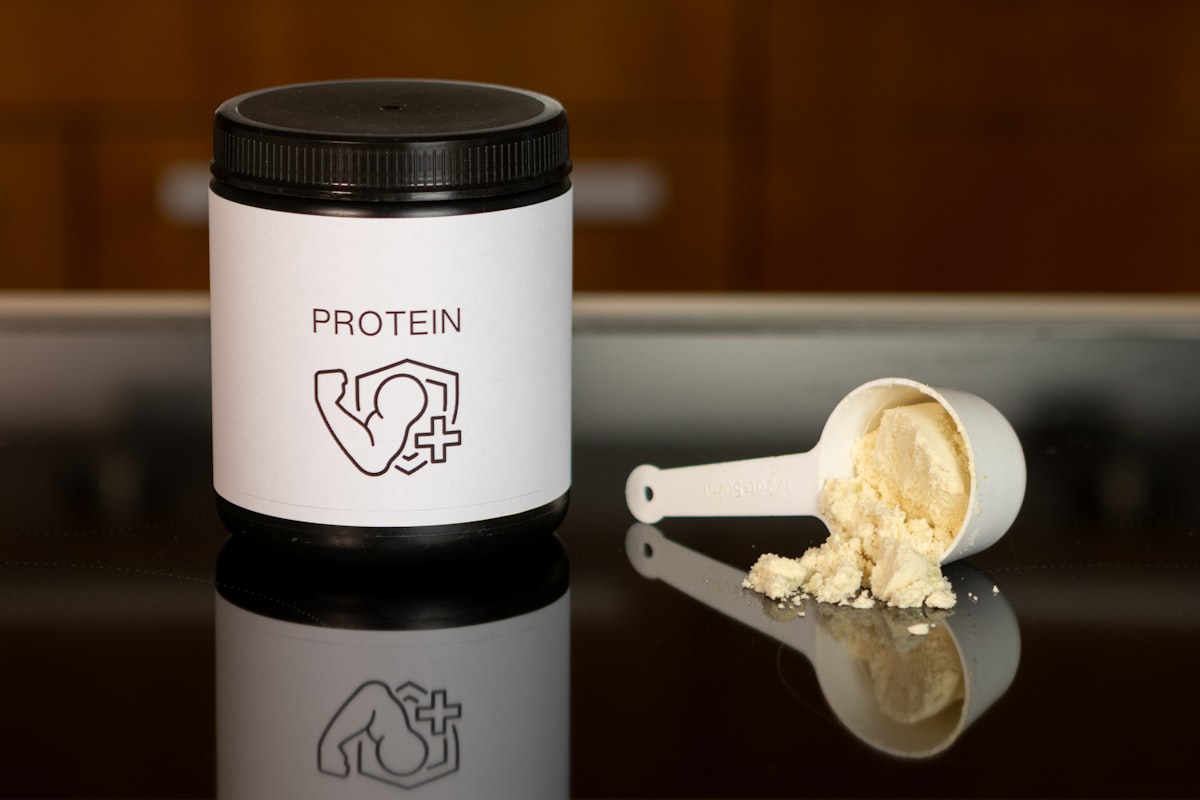
- Protein strategy: 1.6-2.2g per kg body weight for active men
- Fat quality: Emphasize omega-3 and monounsaturated fats
- Carbohydrates: Choose whole grains, legumes, and vegetables

Micronutrient Optimization
Beyond macronutrients, specific vitamins and minerals regulate everything from testosterone production to bone density. Many men experience deficiencies in key nutrients due to modern dietary patterns and lifestyle factors.
Strategic micronutrient intake—particularly vitamin D, magnesium, zinc, and selenium—supports hormonal balance, immune function, and metabolic health. Understanding which foods provide these nutrients and how to optimize absorption is crucial for men's long-term wellness.
- Vitamin D: Supports hormone production and bone health
- Zinc: Essential for immune function and metabolic activity
- Magnesium: Promotes muscle function and stress management
Nutritional Timing & Meal Strategy
When you eat is just as important as what you eat. Strategic meal timing enhances nutrient absorption, supports muscle recovery, and maintains stable energy and hormonal balance throughout the day.
Pre-workout nutrition fuels physical performance, post-workout meals support recovery and muscle adaptation, and spacing meals appropriately maintains metabolic function. Understanding these principles allows you to maximize the benefits of every meal you consume.
- Pre-workout: Combine carbs and protein 1-2 hours before exercise
- Post-workout: Protein and carbs within 30-90 minutes after training
- Daily structure: 4-6 balanced meals spaced 3-4 hours apart
How to Implement These Nutrition Principles
Transform your diet step by step with our practical implementation framework designed for busy men.
Assess Your Current Diet
Begin by tracking what you currently eat for 3-5 days without changes. This establishes your baseline and reveals patterns—insufficient protein, hidden calories, micronutrient gaps, or irregular meal timing. Use a simple food diary or app to document meals, portions, and your energy levels throughout the day.
Set Specific Nutrition Goals
Define clear, measurable objectives: build muscle, increase energy, improve mental clarity, or lose body fat. Each goal requires slightly different macronutrient ratios and food choices. Calculate your daily calorie needs based on your activity level and adjust protein, fat, and carbohydrate targets accordingly.
Build Your Food Framework
Create a list of 5-6 protein sources, 5-6 vegetable/carb options, and 3-4 healthy fat sources that you enjoy. Focus on whole foods: lean meats, eggs, legumes, whole grains, leafy greens, berries, nuts, and olive oil. Keep meals simple and repeatable rather than complex.
Plan & Prepare Weekly
Dedicate 2-3 hours weekly to meal prep. Cook proteins in bulk, prepare vegetables, and portion complex carbohydrates. Having ready-made components makes it simple to assemble balanced meals quickly. This eliminates excuses and ensures you always have nutritious food available.
Track Progress & Adjust
Monitor how you feel—energy levels, strength, mental clarity, and body composition changes—every 2-4 weeks. Take measurements or progress photos. Make small adjustments to portions or food choices based on results. Consistent tracking reveals what works best for your individual physiology.
Build Long-Term Sustainability
Shift from rigid restrictions to flexible consistency. Learn how to enjoy meals socially while maintaining your nutrition targets. Understand the 80/20 principle—eat well 80% of the time, allow flexibility 20%. This sustainable approach prevents burnout and creates lasting nutritional habits.
Common Questions About Men's Nutrition
Get answers to frequently asked questions about optimizing your diet for health and performance.
Research consistently shows that active men benefit from 1.6 to 2.2 grams of protein per kilogram of body weight daily. For a 180-pound (82kg) man, this translates to approximately 130-180 grams daily. This amount supports muscle protein synthesis, recovery from training, and maintenance of lean body mass. Spread protein intake across 4-6 meals for optimal absorption and consistent amino acid availability throughout the day.
Excellent whole food protein sources include lean beef (sirloin, ground 90/10), chicken breast, turkey, fish (salmon, cod, tuna), eggs, Greek yogurt, cottage cheese, and plant-based options like lentils, chickpeas, and tofu. Each provides not only protein but also valuable micronutrients, healthy fats, and fiber. Aim for variety to maximize micronutrient intake and prevent dietary boredom. Grass-fed and wild-caught options offer superior nutrient profiles compared to conventional choices when available.
Vitamin D is absolutely critical for men's wellness. It regulates calcium absorption for bone health, supports immune function, influences testosterone production, and plays a role in mood regulation. Many men, particularly those in northern climates or with limited sun exposure, experience deficiency. Aim for 20-30 minutes of midday sun exposure several times weekly, consume vitamin D-rich foods like fatty fish and egg yolks, or consider supplementation to maintain adequate blood levels (30-50 ng/mL is optimal).
Yes—quality carbohydrates are essential for maintaining lean muscle while managing body fat. Carbs fuel physical training, support recovery, and prevent the muscle loss that often accompanies low-carb approaches. Focus on complex carbohydrates like oats, rice, sweet potatoes, quinoa, and whole grain bread. Time most carbohydrates around your training sessions when muscles are most receptive to nutrient uptake. The key is matching carbohydrate quantity to activity level rather than eliminating them entirely.
Use the "hand method" for simple portion control: one palm-sized portion of protein, one fist of carbohydrates, and one thumb of healthy fats per meal. This approach naturally aligns with your calorie needs based on body size and activity. Track intake loosely for 1-2 weeks to understand portion sizes, then rely on hunger cues and progress tracking. Monitor weight, body composition, and energy levels every 2-4 weeks—if progress stalls, reduce portions slightly. This balanced approach works well for most men and avoids obsessive calorie counting.
Choose restaurants that offer grilled proteins and vegetable sides. Order chicken breast, fish, or lean beef with rice or sweet potato and steamed vegetables. Most restaurants happily accommodate requests for grilled preparation and extra vegetables. When traveling, pack portable protein sources like beef jerky, nuts, protein powder, and fruit. Prioritize staying hydrated, sleep well, and maintain consistent meal timing. Accept that some flexibility is necessary while traveling—focus on maintaining basic nutrition rather than perfect adherence. The 80/20 rule applies: eat well most of the time, stay active, and return to consistent habits upon returning home.
Stay Updated With Nutrition Insights
Join our editorial community to receive the latest evidence-based nutrition articles, expert tips, and practical guides for men's health optimization. Get featured content delivered to your inbox.
We respect your privacy. Unsubscribe at any time. No spam, only quality editorial content.
What Our Readers Are Learning
Real feedback from men who have transformed their nutrition and health using our expert guides.
"The macronutrient breakdown finally made sense. I've been eating random amounts of protein without understanding why. Now I track properly and my strength gains have noticeably improved in just three months."
Ahmad Rahman
Jakarta
"I thought I needed to eliminate all carbs to stay lean. Your articles showed me how to actually use carbs strategically. My energy in the gym is incredible now, and I'm maintaining muscle while staying fit."
Budi Setiawan
Surabaya
"The supplement recommendations backed by science changed my recovery game. I'm sleeping better, recovering faster between workouts, and my strength gains are steady. Finally, nutrition that actually works."
Marcus Johnson
Jakarta
Ready to Transform Your Fitness?
Join thousands of men who've taken control of their nutrition and fitness. Start your journey to peak performance today.
Frequently Asked Questions
Is Mensvitalnutrifuel just another supplement company?
No. We're an education-first platform focused on science-backed nutrition and fitness knowledge. While we recommend quality supplements, our primary mission is teaching you how to optimize your diet, training, and lifestyle for lasting results.
How often is content updated?
We publish new articles, guides, and nutrition plans weekly. All content is reviewed by certified nutritionists and fitness coaches to ensure accuracy and relevance to current research.
Can I customize my nutrition plan?
Yes. Our platform lets you input your goals, dietary preferences, allergies, and fitness level. The system generates personalized meal plans and supplement stacks tailored to your specific needs.
Do you offer one-on-one coaching?
We offer premium membership tiers with varying levels of access to certified coaches. Premium members get priority email support, personalized meal plan reviews, and monthly coaching check-ins.
Is there a money-back guarantee?
Absolutely. We offer a 60-day money-back guarantee on all premium memberships. If you're not satisfied with the content, tools, or results, we'll refund your payment in full—no questions asked.